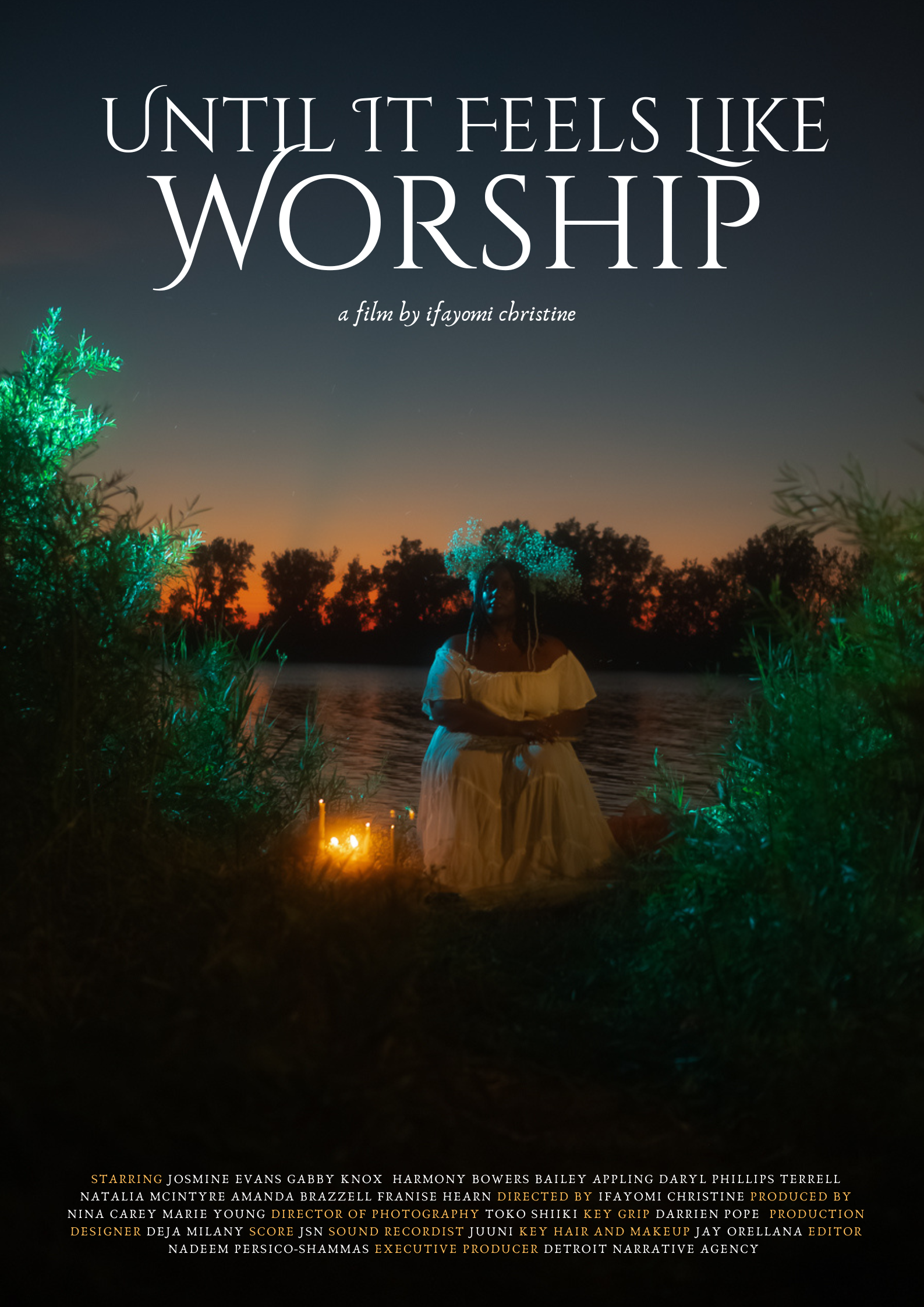
Until It Feels Like Worship
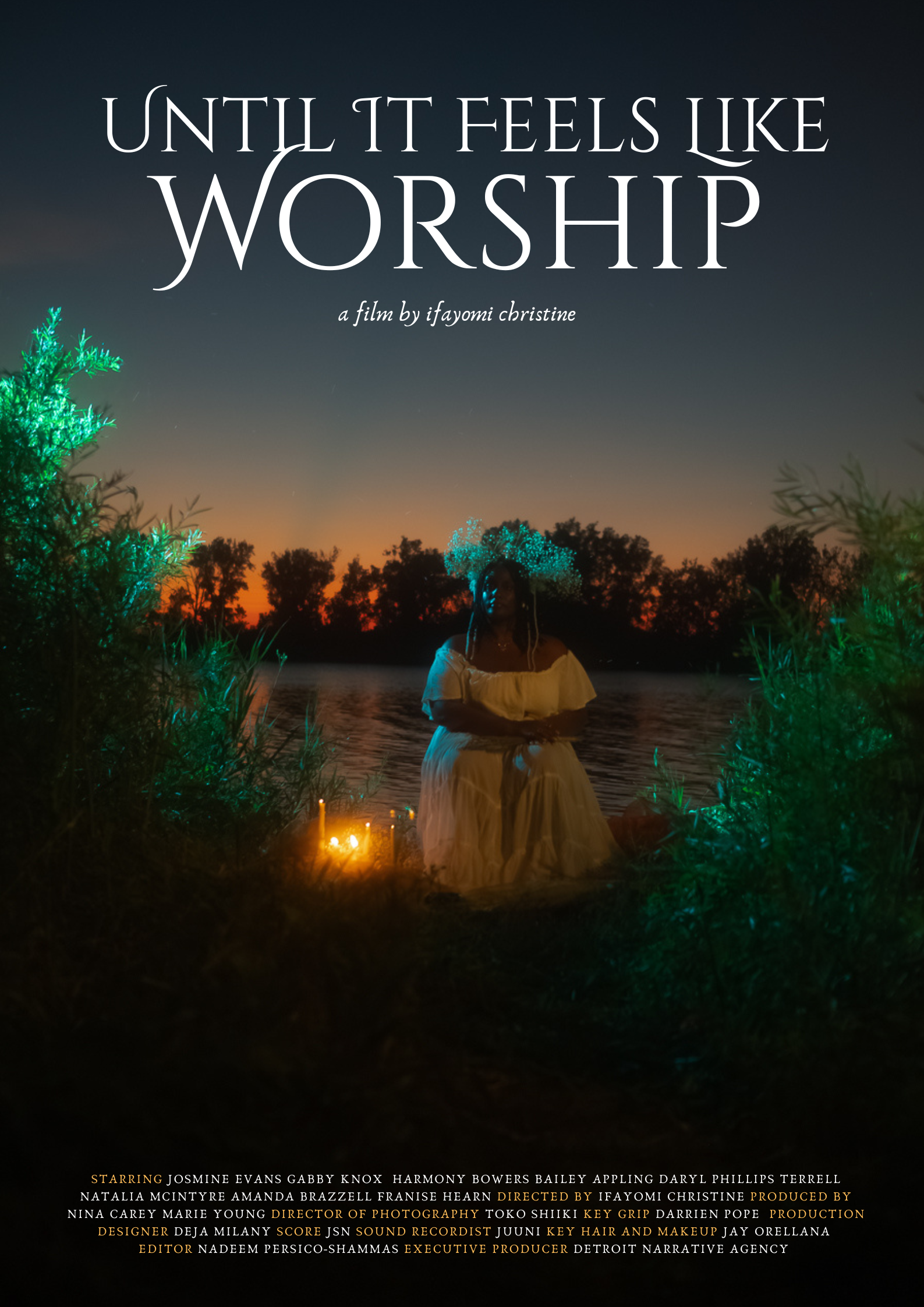
Until It Feels Like Worship
Isolated by years of grief, a woman allows the wisdom of her ancestors to guide her into a living practice of joy, ritual, memory, and connection.
Directed by Ifayomi Christine. Produced by Nina Young. Exec Produced by The Detroit Narrative Agency. Cultivated in partnership with The Joy Project
Remembrance, Recognition, Reconciliation, Restoration
〰️
Remembrance, Recognition, Reconciliation, Restoration 〰️
Set against the backdrop of Detroit’s rich Black culture,
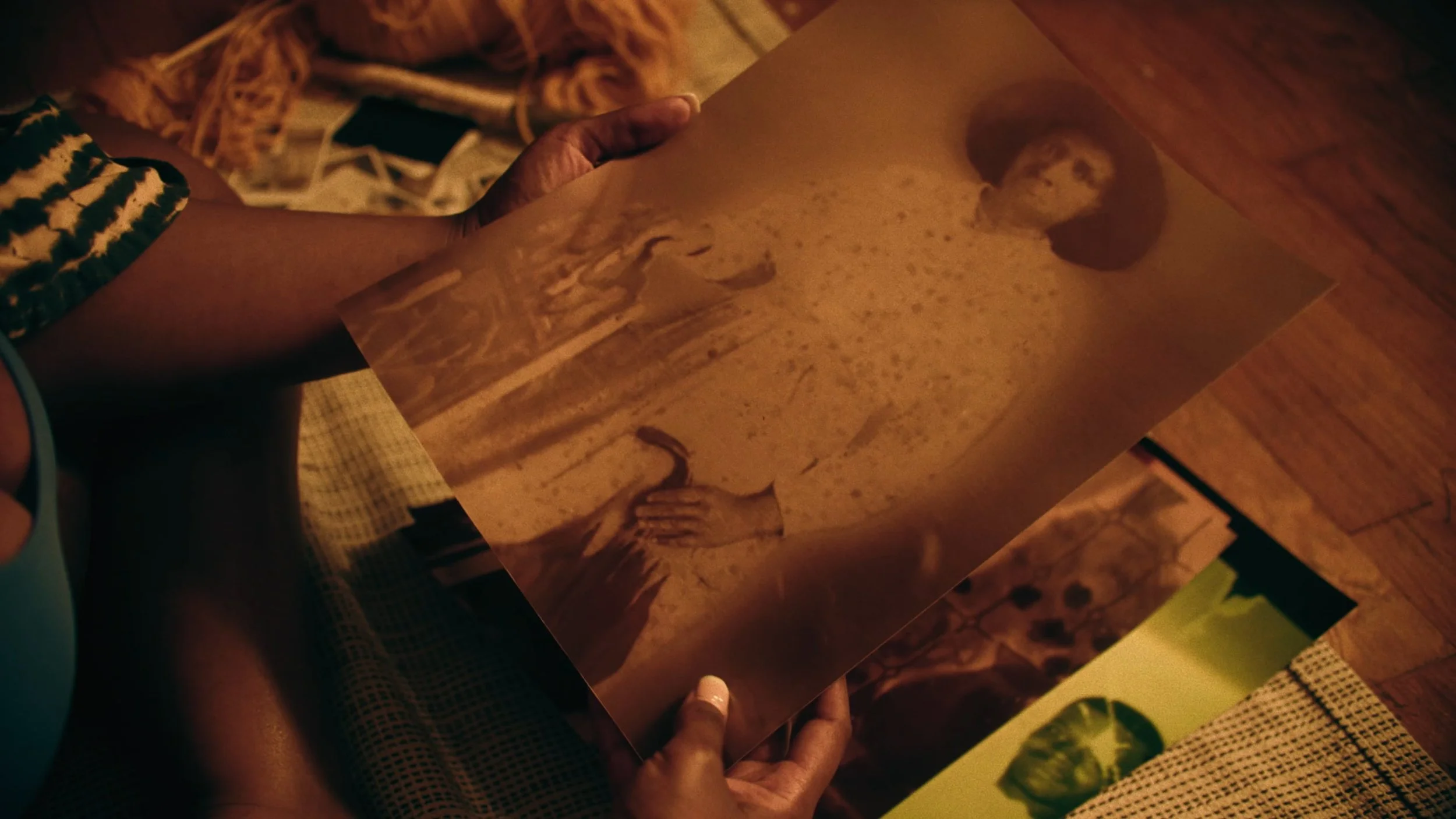
Until It Feels Like Worship follows Yomi as she navigates a journey to reconcile with grief. Stemming from a lineage of silent sorrow tracing back to her great-grandmother’s tragic loss of her children to a house fire, a legacy of enslaved ancestors in the antebellum South and sharecroppers in its aftermath, Yomi confronts grief rooted in the loss of loved ones, the relationship with her body, the absence of community and tradition, and the unspoken weight of inherited pain.
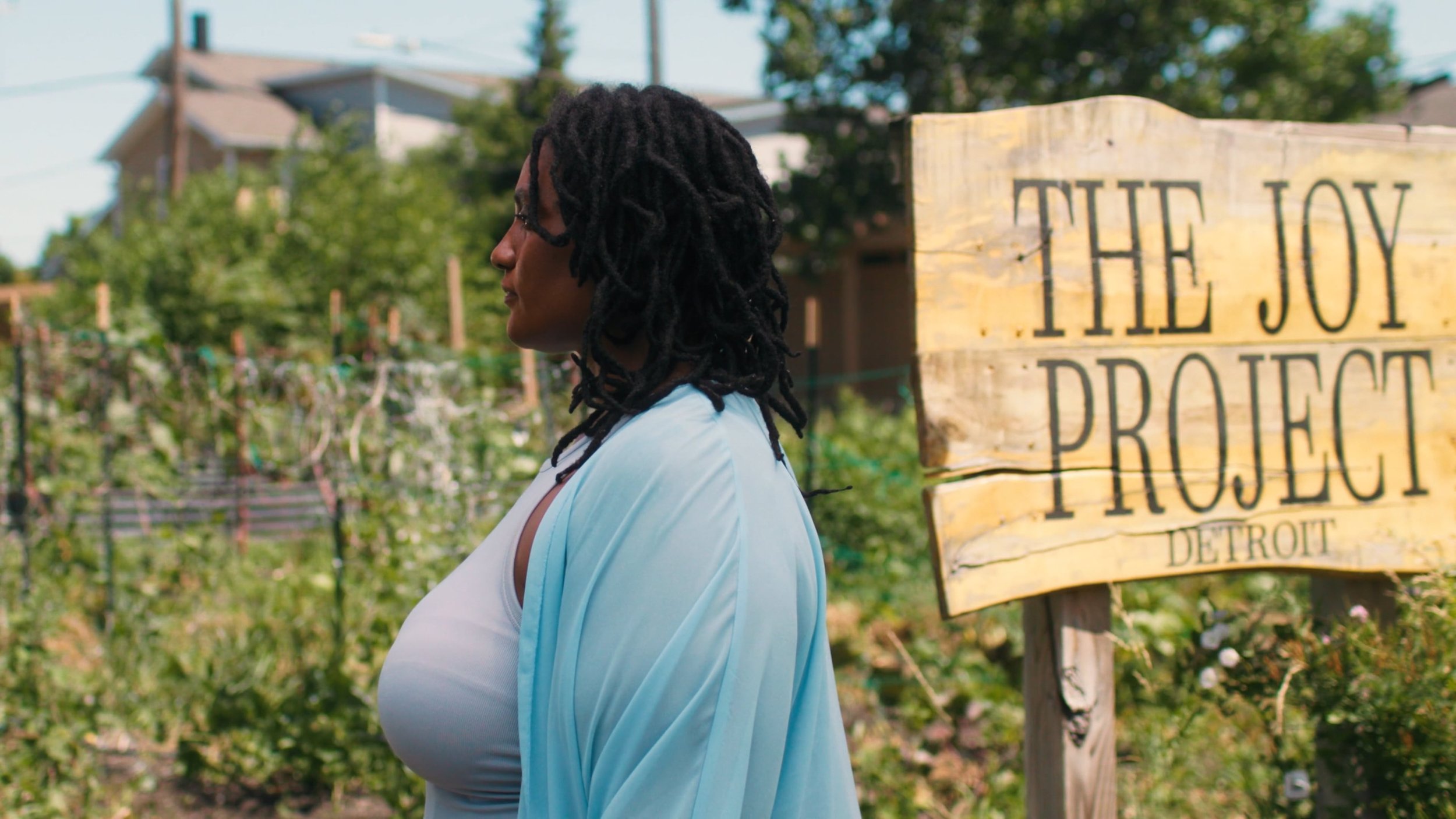
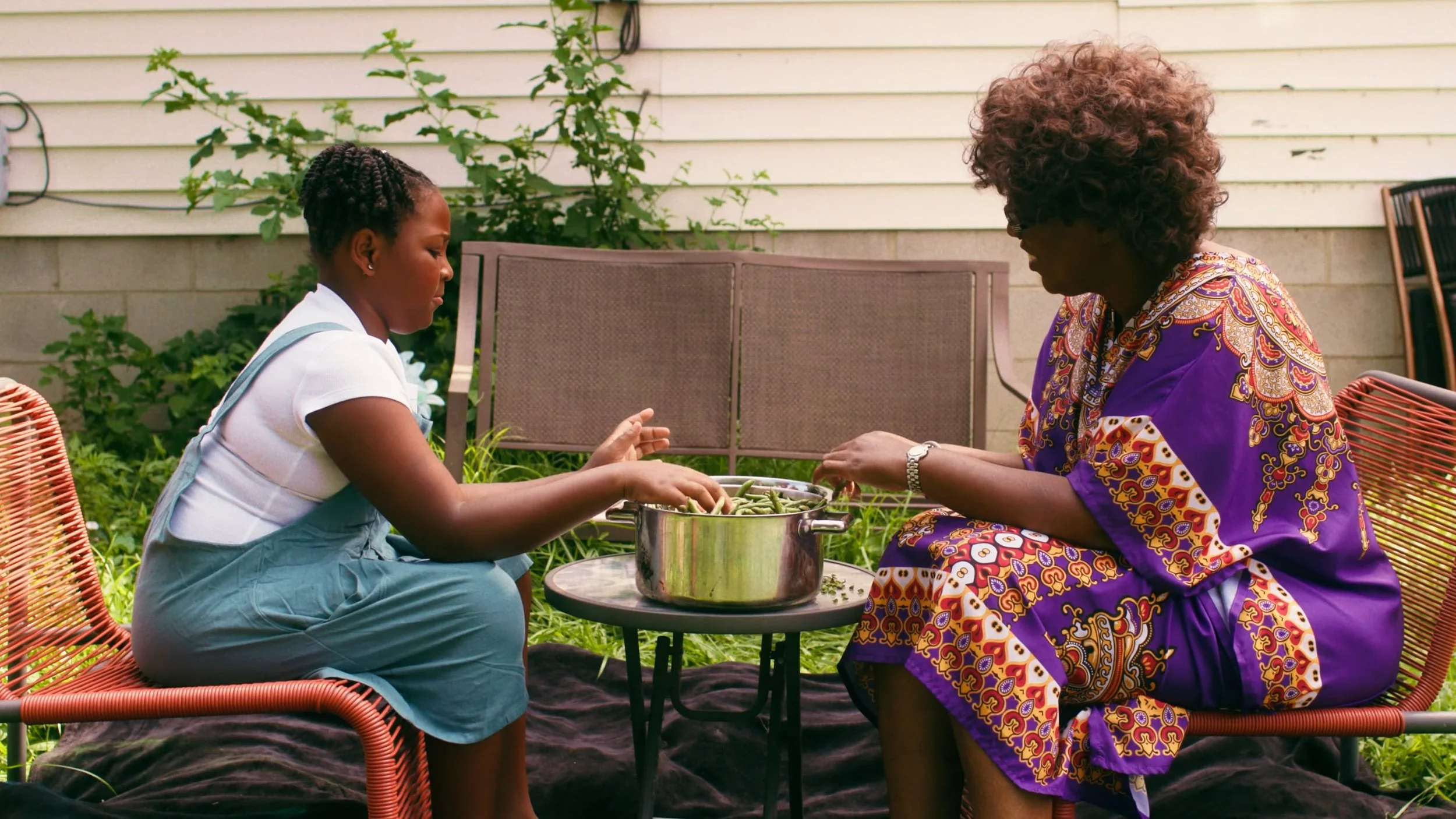
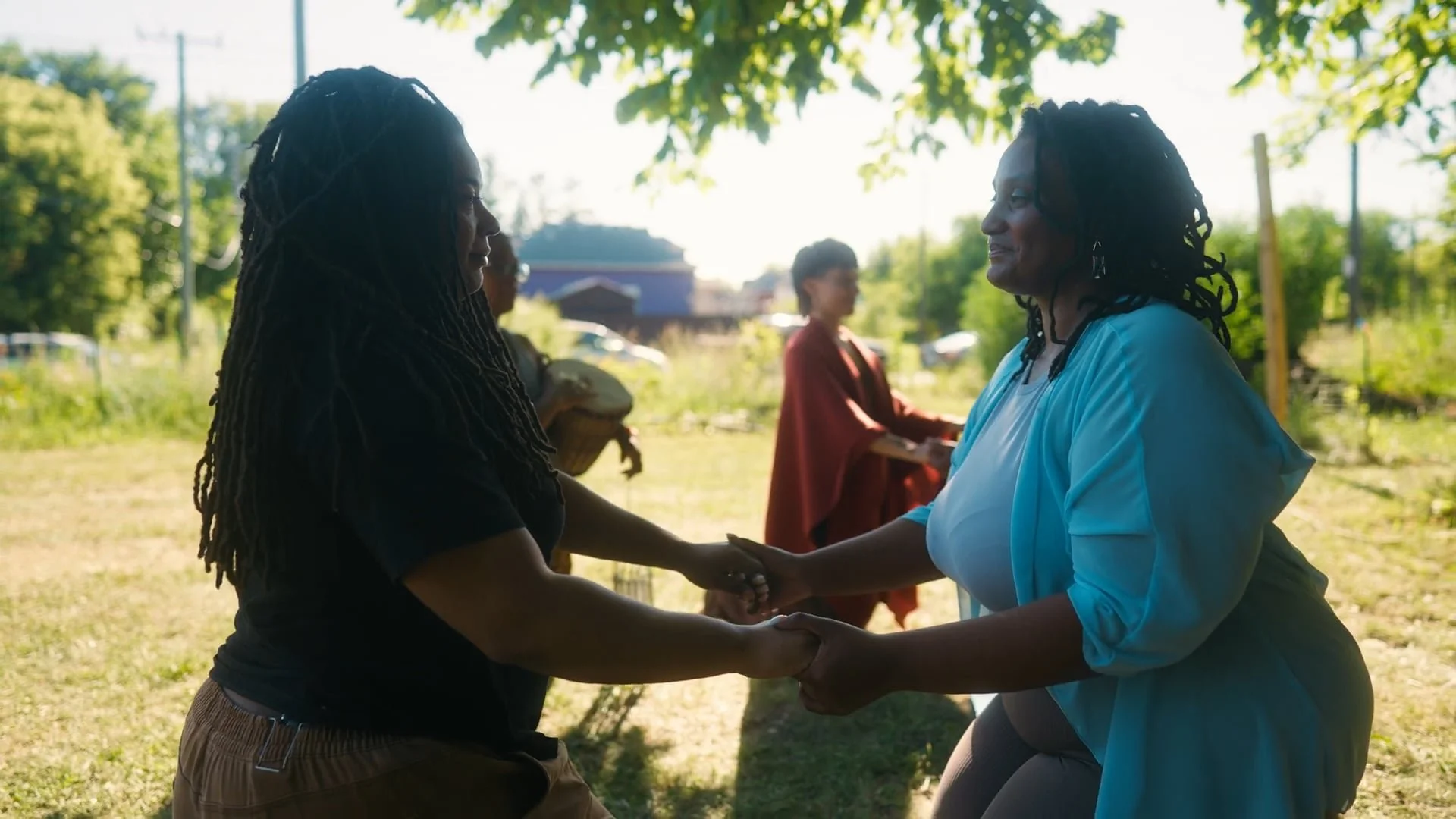
Seeking connection in The Joy Project—an evolving archive of African Atlantic agriculture and foodways built on the pillars of Recognition, Remembering, Reconciliation, and Restoration—Yomi plants seeds to begin the reclamation of herself.
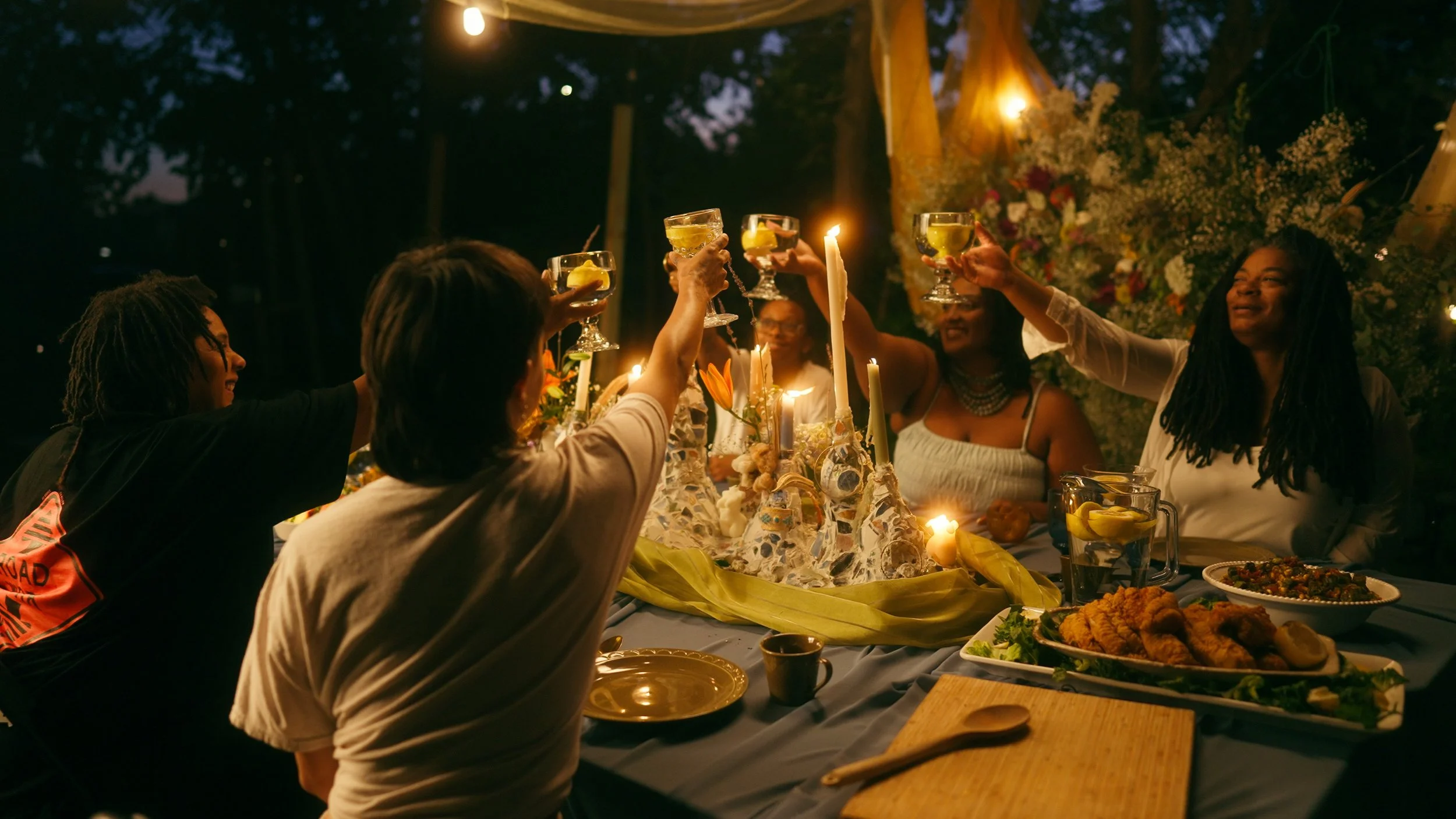
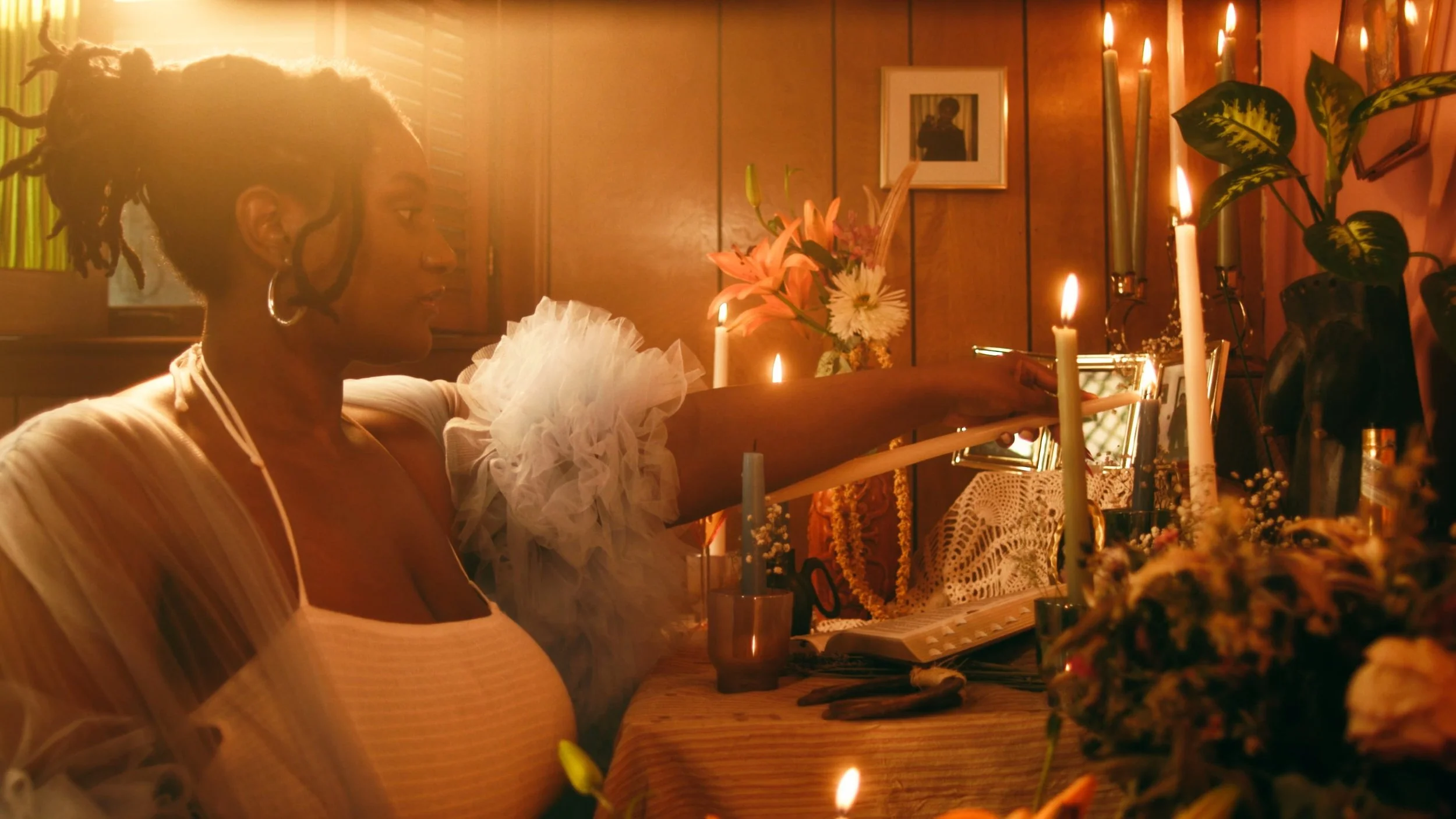
Interrogating grief alongside her community, Yomi traces the connections of heritage and community through memory, cooking, somatic movement, and spiritual practice. Armed with rituals to build capacity and maintain cultural presence, grief transforms from an oppressive force into a companion, guiding her toward healing.

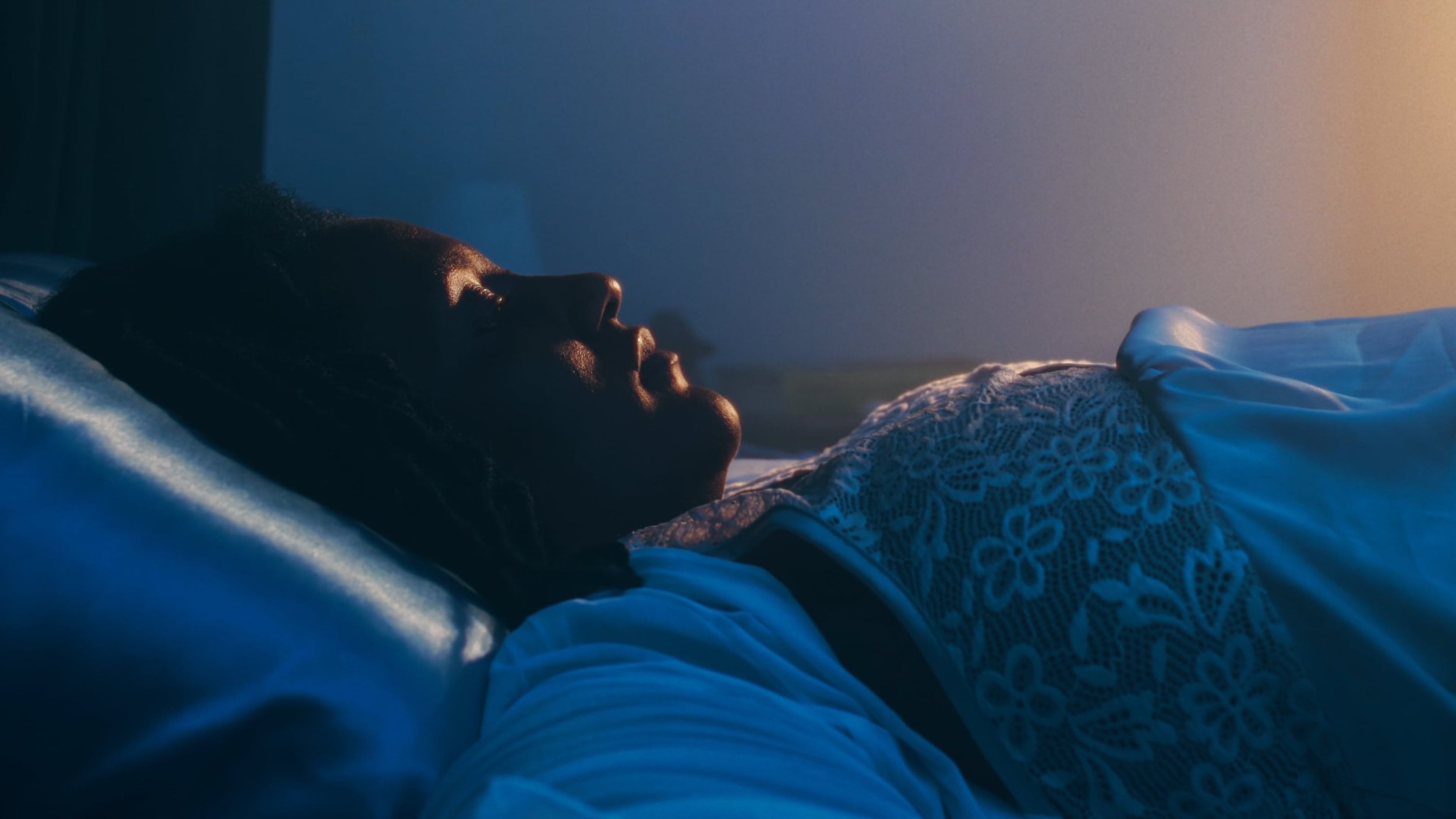
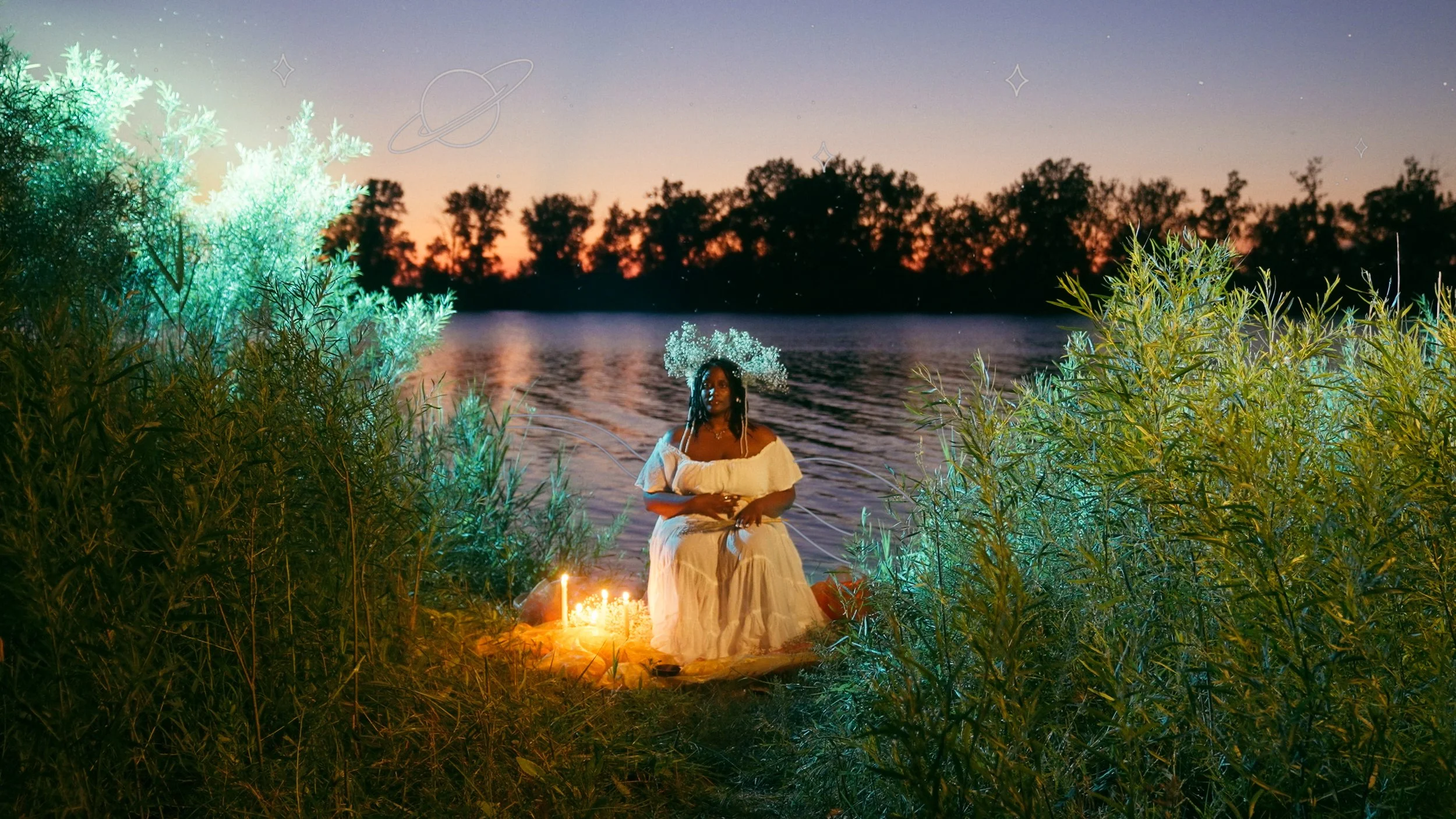

“This film grew out of the desire to see the possibilites of myself, my lineage, and my community healed.
Having actively grieved for more than ten years, I found myself pulling away from the things that had once given me so much solace and vigor. Community, creativity, family traditions, and the grounding of ritual and movement all began to fall through the cracks of my pain.
Eventually, I began to lean on the power of mantra, drawn from the Buddhist lineage of my grandmother, to call in activation through the words: “Until It Feels Like Worship.” This mantra became a framing for how I could lean into collective memory, wisdom, and prayer—ways of interjecting reverence into my daily life when things felt nearly impossible and irreverent.
Pulling from the wisdom of Healing Justice organizers like Adaku Utah and the community of Harriet’s Apothecary, Cara Page and the Southern Kindred Justice Healing Collective, Detroit’s own Healing by Choice, and the many committed Detroit organizations and intentional grandmothers who call this care by different names, I came to understand that community care—and building my capacity to be alongside my community once again through shared healing—would be the anchor to carry us both through.
Detroit is a place of possibility and deep wisdom that I am grateful to call home, and through the wisdom of The Joy Project, a steward of our collective African diasporic archive in North End Detroit, Until It Feels Like Worship was able to take shape— on land that carries the memory of so many of us while holding us in care, tradition, and Black futures. Here, the beauty of our culture exists alongside the possibilities of what healing can look like when we allow ourselves to lean into collective care and radical reimagining.
To all of the mentors, friends, community members, listeners, organizers, and griots who have modeled what is possible and hold care and resilience when we are unable to hold it for ourselves, I want to thank you. This film would not be possible without you.
I am deeply grateful to Detroit Narrative Agency and my wonderful cohort of filmmakers, Diop Russell, Chris ‘Inpaq’ Sutton, and Costa Kazeleh Sirdenis who sat in this vulnerable work alongside me and affirmed what was waiting to shine through in this heartfelt act of memory work. I’m grateful to witness you and be witnessed in return.
To my ancestors Christine, Mary, Rebecca, and Sarina, making homes in the Maryland and Mississippi of Harriet Tubman and Ida B. Wells by way of West Africa, and the rebellious revolutionary spirits of Guyana, Jamaica and Barbados: I thank you for the freedom you imagined, the wisdom you carried, and the love that survived long enough to reach me. I walk forward because you did. May this work honor the prayers you spoke aloud and the ones you were forced to carry in silence. I offer this film as a continuation of your story—a living archive of the healing and liberation you made possible.”